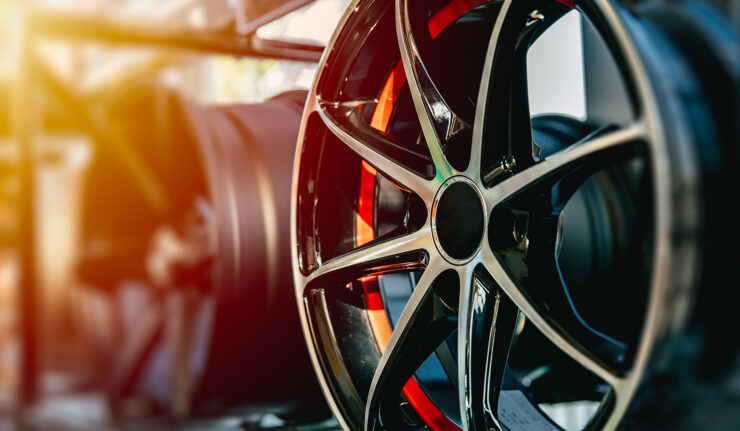
Wheels and tires have always been among the most popular ways for enthusiasts to transform a vehicle, but in 2026 the category is about much more than appearance. Performance, vehicle weight, off-road capability, electrification, materials and even technology are influencing what consumers want from their next wheel-and-tire package. As manufacturers prepare to showcase their latest products at the 2026 SEMA Show in Las Vegas, several trends are emerging that could help define the next generation of aftermarket wheels and tires.
Off-Road and All-Terrain Continue to Influence the Market
One of the strongest influences on the wheel and tire market continues to come from trucks, SUVs and off-road vehicles. Light trucks and crossovers now account for more the majority of new vehicle sales in the United States, according to SEMA’s 2026 industry outlook. That creates an enormous installed base of vehicles that can potentially be upgraded with aftermarket wheels, tires and suspension products.
But the trend is moving beyond extreme off-road builds. Consumers increasingly want products that provide an aggressive off-road appearance while remaining practical for everyday driving. That has created opportunities for hybrid-terrain and all-terrain tires that balance off-road traction with highway comfort, reduced road noise and longer tread life. This multi-purpose approach reflects a broader shift in the aftermarket. Consumers increasingly want wheel-and-tire combinations that can serve several purposes rather than products designed exclusively for one type of driving.
Bigger Tires Remain Popular—But Function Matters
Oversized tires remain an important part of the truck and SUV aftermarket. Lifted trucks running aggressive tires continue to attract attention, while adventure-oriented SUVs are increasingly adopting similar styling. Large tires aren’t limited to traditional pickups, either. New generations of SUVs and electrified off-road vehicles are helping bring rugged tire packages into additional vehicle categories. However, consumers are becoming more aware that bigger isn’t automatically better. Tire weight, gearing, braking, suspension geometry, road noise and fuel economy or EV range all need to be considered. As a result, proper fitment is becoming increasingly important.
Wheel Design Is Becoming More Diverse
Wheel styling in 2026 is difficult to define with a single look—and that may be the biggest trend of all. Current popular designs include multi-spoke, split-spoke, mesh and five- or six-spoke star patterns, while wheel diameters of 18 inches and larger remain prominent. Black continues to be an important finish, but bronze, silver, grey and machined finishes give consumers considerably more choices. There is also growing interest in wheels that combine contemporary manufacturing with styling inspired by earlier eras.
That makes retro-modern wheel designs particularly interesting. Classic muscle cars, restomods, vintage trucks and modern performance vehicles can use wheels inspired by traditional five-spoke and motorsports designs while benefiting from modern materials, manufacturing processes and larger sizing. The result is a market where classic styling and modern engineering increasingly coexist.
Lightweight Wheels Are About More Than Racing
Reducing wheel weight has traditionally been associated with motorsports and high-performance vehicles, but lightweight construction is becoming relevant across a much broader range of applications. Reducing unsprung and rotational mass can benefit handling and vehicle response, making materials and manufacturing methods increasingly important selling points.
Forged aluminum remains attractive at the premium end of the market, while flow-formed wheels can provide a middle ground between conventional cast wheels and more expensive forged designs. Carbon-fiber and composite technologies are also pushing wheel construction into new territory, particularly for premium performance applications.
EVs Are Creating New Demands for Tires
Electric vehicles are also changing tire development. EVs can present a different combination of requirements because of vehicle weight, immediate torque delivery, rolling-resistance considerations and the relative absence of engine noise. Tire manufacturers therefore have to consider durability, efficiency, traction and noise simultaneously.
Manufacturers are responding by developing tires specifically suited to electric and hybrid applications. Atturo, for example, said in its 2026 mid-year update that it continues to focus product development around hybrid and EV applications, including SUVs and light trucks. This could become particularly significant as electrification expands beyond passenger cars and into the truck, SUV and performance markets.
All-Weather Capability Is Growing in Importance
Another important tire trend is the increasing emphasis on versatility. Rather than switching between highly specialized products, many consumers want a tire capable of handling a broader range of weather and road conditions. For consumers who use trucks and SUVs as daily transportation but also travel, tow, explore trails or encounter winter conditions, that versatility can become a major purchasing consideration. The trend fits the larger theme developing throughout the tire market: consumers increasingly expect one product to perform well across several different environments.
Technology Is Changing Tire Shops Too
Innovation isn’t happening exclusively inside the tire. Wheel-and-tire installation and service technology continues to advance through modern balancing equipment, alignment systems, diagnostic equipment and increasingly sophisticated shop-management solutions.
Vehicles themselves are also making proper installation more complex. ADAS-equipped vehicles, modified suspensions and increasingly complicated vehicle electronics mean changing a vehicle’s ride height, wheel diameter or tire size can sometimes involve considerations beyond simply checking whether the wheel physically fits.
Digital technology is changing the shopping experience as well. Three-dimensional visualization tools can allow consumers to virtually test different wheels on their vehicle before purchasing, helping take some of the uncertainty out of choosing a design.
Personalization Remains at the Center of the Market
Despite all the advances in materials and technology, one fundamental reason consumers purchase aftermarket wheels hasn’t changed: they want their vehicle to look different. Wheels can dramatically change the personality of a vehicle without requiring extensive modification. A truck can move from factory styling to rugged and aggressive. A performance car can gain a motorsports-inspired appearance. A classic vehicle can retain its heritage while adopting modern performance.
That emotional component continues to make wheels one of the automotive aftermarket’s most visible forms of personalization. Tires increasingly complement that decision. Sidewall appearance, tread pattern, width and overall diameter have become important elements of vehicle styling in addition to their functional roles.