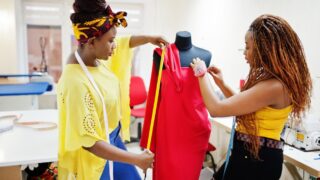
As consumers become increasingly conscious of their environmental impact, sustainability has evolved from a niche movement into one of the most influential forces in the global fashion industry. Today’s shoppers are looking beyond style alone—they want to know how their clothing is made, where materials come from, and whether the brands they support are making responsible choices.
From recycled fabrics to circular fashion, sustainable innovation is transforming every stage of apparel production. As the industry continues to evolve, these trends are redefining what it means to create fashionable clothing with a lower environmental footprint.
Recycled and Regenerated Materials Continue to Grow
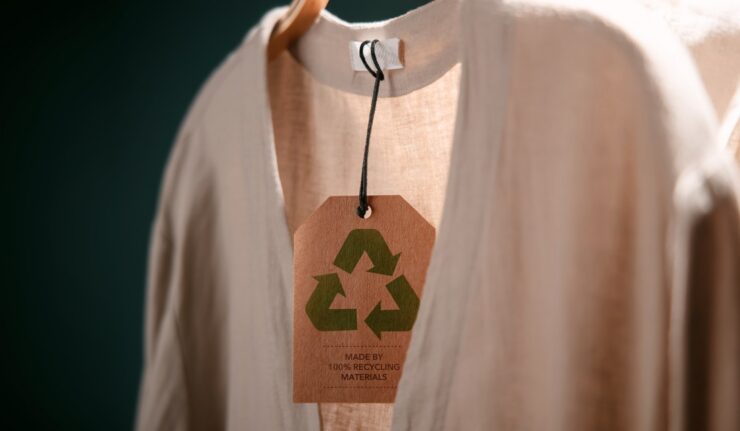
One of the most significant trends in sustainable fashion is the increased use of recycled materials. Manufacturers are finding innovative ways to transform post-consumer plastics, discarded textiles, and industrial waste into high-quality fabrics suitable for everyday apparel.
Popular recycled materials include: recycled polyester made from plastic bottles, recycled nylon from fishing nets and industrial waste, regenerated cellulose fibers, recycled cotton blends, upcycled denim fabrics.
These materials help reduce landfill waste while decreasing the demand for virgin resources.
Natural Fibers with Lower Environmental Impact
Consumers are also showing greater interest in renewable natural fibers that require fewer chemicals and less water during cultivation. Popular sustainable fibers include: organic cotton, hemp, linen, bamboo-derived fabrics produced through responsible manufacturing processes, and responsible wool and alpaca. Many brands are carefully selecting materials based on durability, renewability, and overall environmental performance.
Circular Fashion Is Becoming Mainstream
Rather than producing clothing that is worn briefly before being discarded, many companies are embracing circular fashion models designed to keep garments in use for as long as possible. If this concept is new to you, examples include: clothing repair programs, garment take-back initiatives, resale marketplaces, rental clothing services, and recycling worn garments into new textiles.
Designing clothing with longevity in mind helps reduce waste while encouraging consumers to purchase fewer, higher-quality items.
Transparency Is Now a Competitive Advantage
Today’s consumers want to understand the story behind the products they purchase. Fashion companies are responding by providing greater transparency about factory locations, material sourcing, labor practices, environmental certifications, carbon reduction initiatives, and supply chain traceability. Brands that openly communicate their manufacturing practices are often viewed as more trustworthy and responsible.
Durability Is Becoming a Selling Point
Fast fashion is increasingly being challenged by consumers who value quality over quantity. Brands are focusing on producing garments that last longer, can be repaired, and maintain their appearance after repeated washing.
Ethical Manufacturing Remains a Priority
Sustainability is also closely connected with social responsibility. Consumers increasingly expect brands to demonstrate ethical manufacturing through safe working conditions, responsible supplier relationships, and human rights protections. Many shoppers now evaluate brands based on both environmental and social performance.
The Future of Sustainable Fashion
Sustainability is no longer simply a trend—it has become a long-term transformation of the fashion industry. Consumers are demanding greater accountability, higher-quality products, and increased transparency, while manufacturers continue to invest in innovative materials and more responsible production methods.
Although challenges remain, the industry is making meaningful progress toward reducing waste, conserving resources, and creating products designed with both people and the planet in mind. As technology advances and consumer expectations continue to evolve, sustainable fashion is poised to become the standard rather than the exception, shaping a future where style, quality, and environmental responsibility work together.