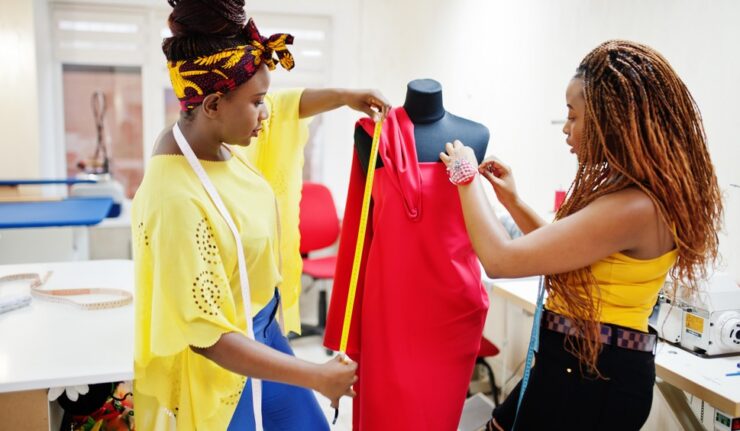
The fashion industry is experiencing a significant shift as a new generation of designers emerges with fresh perspectives, innovative business models, and a deeper understanding of today’s consumers. Unlike previous generations that often relied on securing a position at a luxury fashion house before launching an independent label, many young designers are building successful brands on their own terms through digital platforms, direct-to-consumer strategies, and authentic storytelling.
While established luxury brands continue to shape global fashion, emerging designers are proving that creativity, adaptability, and a strong connection with consumers can be just as powerful as legacy and heritage.
The Industry Has Changed
Launching a fashion brand today is both easier and more challenging than ever before.
On one hand, technology has removed many of the traditional barriers to entry. Designers no longer need millions of dollars in funding or a network of department store buyers to reach customers. Through social media, e-commerce platforms, and digital marketing, an independent designer can introduce a collection to a global audience overnight.
On the other hand, competition has never been greater. Thousands of brands launch each year, making it increasingly difficult to capture attention. Success now depends on much more than creating beautiful clothing—it requires building a recognizable brand with a compelling story and consistent customer experience.
Authenticity Is the New Luxury
Today’s consumers, particularly Millennials and Generation Z, are increasingly interested in purchasing from brands that represent authentic values.
Rather than simply following seasonal trends, successful emerging designers often build their collections around personal stories, cultural heritage, sustainability, craftsmanship, individual expression, and community engagement.
Customers want to understand the person behind the label. Designers who openly share their inspiration, creative process, and challenges often develop stronger relationships with their audience than brands that rely solely on polished advertising campaigns.
Authenticity has become one of the most valuable assets a young designer can possess.
Social Media Levels the Playing Field
One of the biggest advantages for today’s emerging designers is access to social media.
Platforms like Instagram, TikTok, Pinterest, and YouTube have transformed how fashion is discovered. Instead of waiting for magazine features or runway reviews, designers can present new collections directly to consumers in real time.
Behind-the-scenes videos, design sketches, production updates, styling tips, and personal storytelling create an ongoing conversation between designer and customer.
Many successful labels have grown organically by building loyal online communities long before expanding into wholesale distribution.
Small Brands Can Move Faster
Large fashion companies often require months—or even years—to react to changing consumer preferences. Independent designers can adapt much faster by introducing limited collections, test new ideas quickly, respond to customer feedback, collaborate with artists and creators, and experiment with new materials. This flexibility allows emerging brands to remain relevant in an industry where trends can change almost overnight.
Young Designers Create Stronger Relationships
Instead of relying exclusively on retailers, many young designers are selling directly through their own websites. Direct relationships allow designers to understand exactly what customers want while creating stronger brand loyalty over time.
Another defining characteristic of today’s fashion landscape is collaboration. Young designers frequently partner with artists, photographers, content creators, musicians, athletes, local manufacturers, and sustainable material suppliers. These partnerships introduce brands to new audiences while creating authentic marketing opportunities that feel more organic than traditional advertising.
What Defines Success Today?
The next generation of fashion designers is redefining success. Instead of measuring achievement solely by runway shows or placement in luxury department stores, many emerging brands focus on building sustainable businesses with loyal communities and long-term customer relationships. Success now comes from combining creative vision with strategic thinking, digital marketing expertise, operational discipline, and genuine authenticity. Designers who understand both fashion and business are well positioned to thrive in today’s competitive marketplace.
Looking Ahead
The future of fashion belongs to designers who embrace innovation while remaining true to their creative identity. Consumers are seeking brands with purpose, transparency, and originality, creating opportunities for emerging talent to compete alongside some of the industry’s most established names.
As technology continues to reshape how clothing is designed, produced, and sold, young fashion designers are proving that success is no longer determined solely by heritage or scale. Instead, it is driven by creativity, adaptability, and the ability to build meaningful connections with consumers around the world.
For aspiring designers, the path to success has never been more accessible—or more demanding. Those who combine exceptional design with authentic storytelling, responsible business practices, and a clear brand vision will be best positioned to define the next era of fashion.